Unique works of art from the forest:How fascinating veneer pictures are created
Zülpich. Sustainability and the mindful use of resources are becoming increasingly important to many people. One material that meets these requirements almost effortlessly is veneer: paper-thin slices of wood from selected trees that are particularly well suited to veneer production. But veneer can be so much more than just ‘pure nature’. Depending on how it is assembled, the finest part of the tree is transformed into truly unique pieces that are one of a kind. They immediately captivate the viewer and lend a veneered piece of furniture or a refined surface a lasting, extravagant aura, day after day.
Not all veneer surfaces are the same. The natural uniqueness of each individual veneer sheet, as grown in the tree, is complemented by the skilful arrangement of the sheets to create a harmonious overall picture. “Those working in the veneer industry, who design and manufacture veneer surfaces in every conceivable size, combine craftsmanship with a keen artistic eye. The customer’s request is one thing – but the end result consistently leaves clients from the furniture, automotive and flooring industries, as well as the interior design sector, more than satisfied,” explains Dirk-Uwe Klaas, Managing Director of the Initiative Furnier + Natur (IFN).
How veneer becomes art through different joining techniques
Various techniques are used to create veneer patterns. In the so-called “stacking” technique, the sheets are selected and laid so that they mirror each other – a look that is particularly striking with vividly grained woods. In “simple stacking”, one of two sheets lying on top of each other is unfolded along a longitudinal or transverse joint. In “double flipping”, on the other hand, every second sheet in a pack of four is folded both vertically and horizontally. This creates dynamic veneer patterns with cross joints that can even run diagonally. “Sliding”, by contrast, produces a calmer, more classical pattern. Here, the sheets are taken from the stack one after the other without being turned over and lined up next to one another. The grain repeats itself without appearing symmetrical – a timeless, elegant effect.
Once the veneer sheets have been joined, they are glued and finely sanded. “This is followed by surface treatment – for example, by staining, oiling, waxing or using varnishes and glazes. This emphasises the natural grain even more,” explains Klaas. And he sums up: “Once processed, veneer is so beautiful and unique that one is almost tempted to hang it on the wall behind glass like a work of art. At the same time, it remains a piece of nature, conserves resources and enhances large surfaces with minimal use of material. A true all-rounder for nature-loving individualists.” IFN/DS
Initiative Furnier + Natur (IFN)
The Initiative Furnier + Natur (IFN) e.V. was founded in 1996 by the German veneer industry and its partners. Today, it is supported by European companies from the veneer industry, the trade and the veneer-processing industry, as well as trade associations within the timber industry. The association’s aim is to promote veneer as a natural, versatile material.
Further information on veneer is available at www.furnier.de or www.furniergeschichten.de, as well as on Instagram under #furnier_und_natur
Images 1+2: Here, the knotty oak veneer reveals its extraordinary effect. Photos: Thomas Bechtold I Independent Architect
Images 3+4: When assembled correctly, some veneer sheets could be hung on the wall as unique and sustainable works of art. Photos: Schorn & Groh GmbH
Images 5+6: A masterpiece of nature: this chest of drawers perfectly demonstrates the endless possibilities of veneer. Photos: Bleier Lebensräume
9 February 2026
Initiative Furnier + Natur e.V. – Antonigartzem 1 – D-53909 Zülpich – m +49 171 2116 650
www.furnier.de – www.veneer.eu – presse@furnier.de
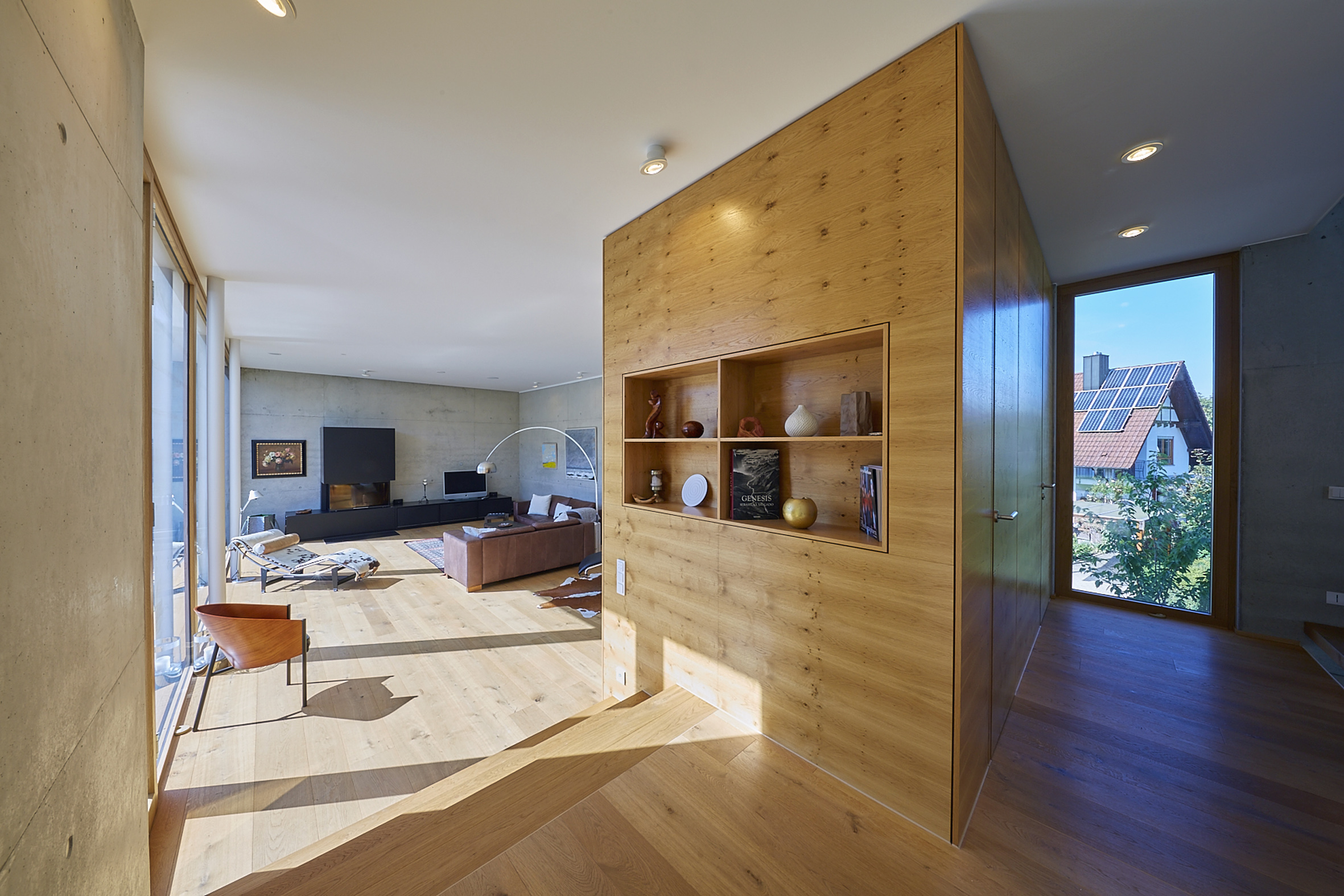
Images 1+2: Here, the knotty oak veneer reveals its extraordinary effect. Photos: Thomas Bechtold I Independent Architect
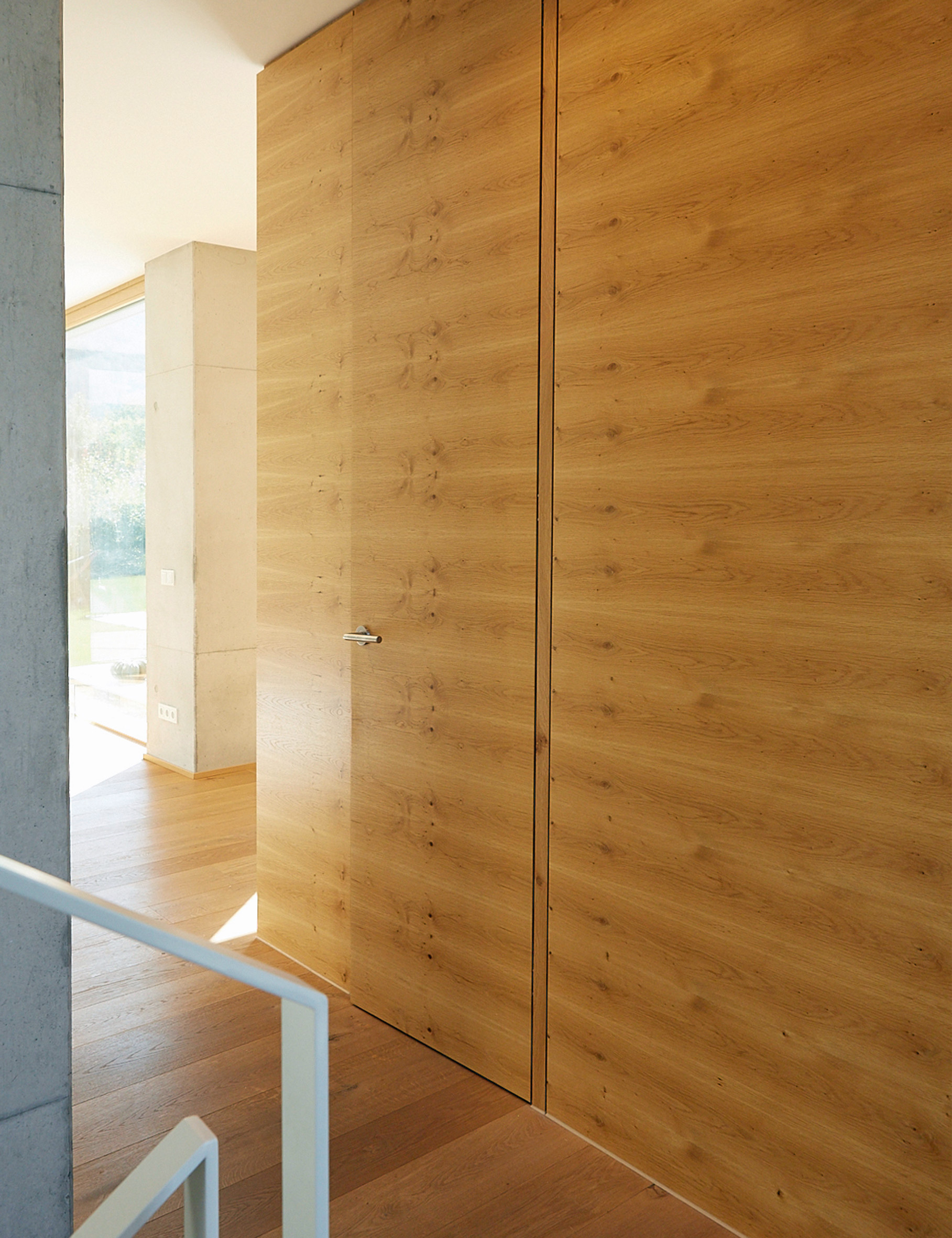
Images 1+2: Here, the knotty oak veneer reveals its extraordinary effect. Photos: Thomas Bechtold I Independent Architect
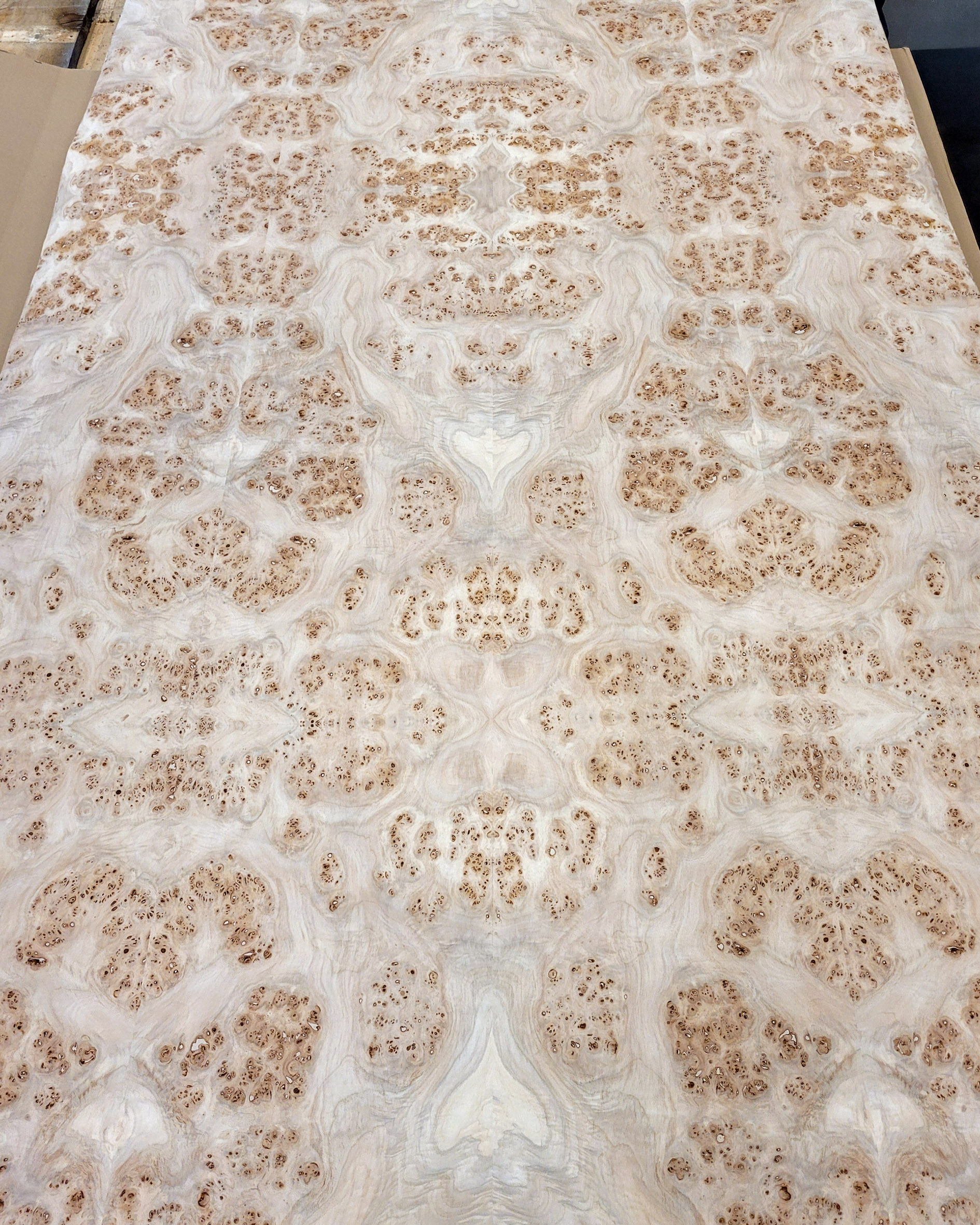
Images 3+4: When assembled correctly, some veneer sheets could be hung on the wall as unique and sustainable works of art. Photos: Schorn & Groh GmbH
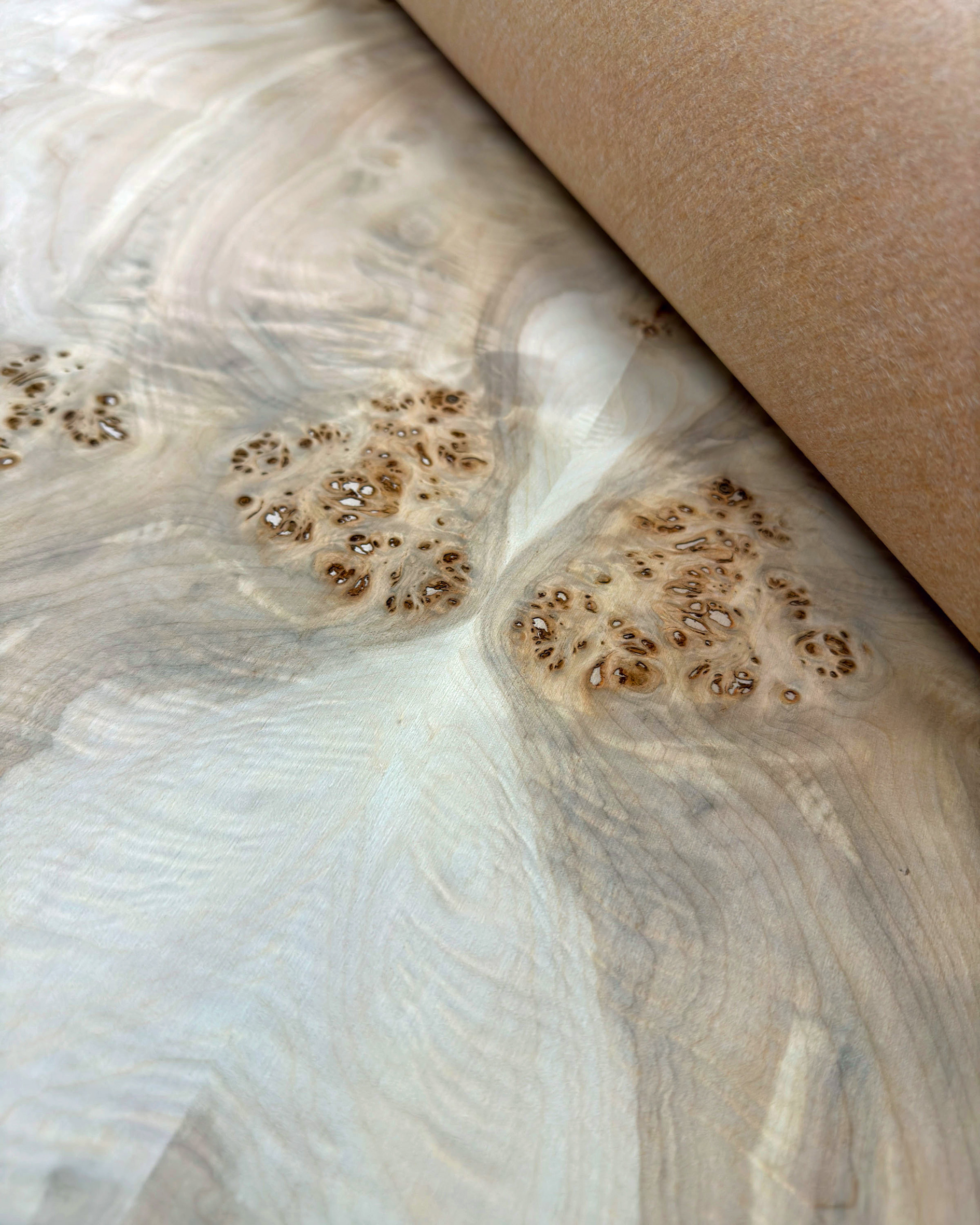
Images 3+4: When assembled correctly, some veneer sheets could be hung on the wall as unique and sustainable works of art. Photos: Schorn & Groh GmbH
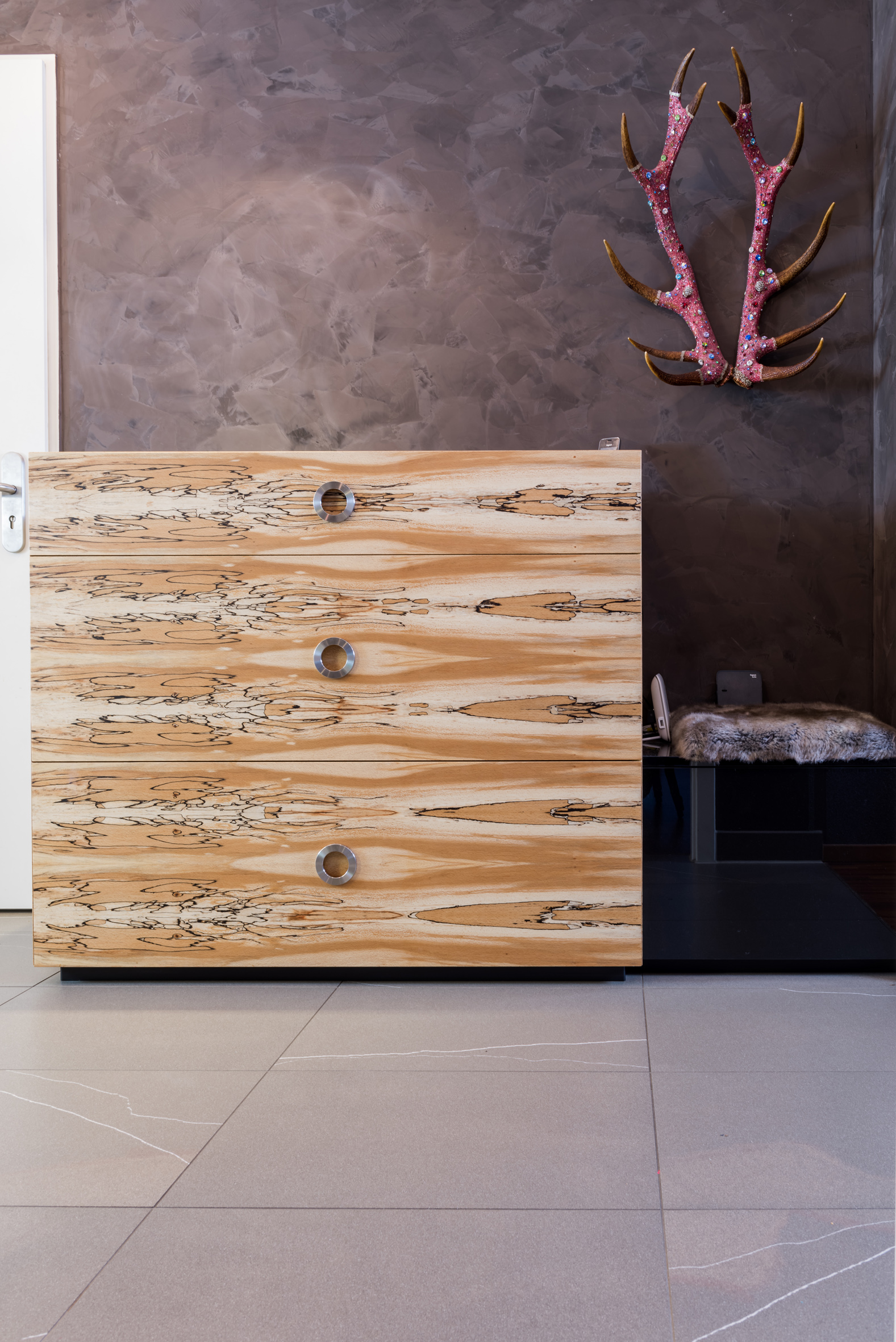
Image 5: A masterpiece of nature: this chest of drawers perfectly demonstrates the endless possibilities of veneer. Photos: Bleier Lebensräume