Not every tree is suitableThe long journey to fine veneer
Zülpich. For a veneer manufacturer, a tree is far more than just a tree. It represents character and potential – sometimes even a little treasure. And it is a long, carefully planned journey before a promising log is actually transformed into fine veneer. It is only through skilful craftsmanship that a trunk which appears unremarkable at first glance is transformed into a material that enhances almost anything that can be veneered.
Several types of wood are ideally suited to veneer production. The warm, light tones of maple and beech are particularly popular. But oak, ash and walnut also produce exceptional, distinctive veneer patterns. The trees, selected by experts, are traditionally felled in winter – when there are hardly any shoots and the wood is naturally drier.
Once at the veneer mill, the logs are first carefully stacked on top of one another, thoroughly watered and subjected to a steam bath. Only when the wood has absorbed sufficient moisture does the actual transformation begin: the bark is removed, the wood becomes more pliable and, depending on the desired appearance, can be sliced – peeled all the way round like an apple – or roughened using a special saw. “The intended use of the veneer also determines how thick it should be. Normally, veneer sheets are produced with a thickness ranging from around 0.45 millimetres to about 6 millimetres. However, we can deviate from this at the customer’s request,” explains Dirk-Uwe Klaas, Managing Director of the Initiative Furnier + Natur (IFN).
Further drying, quality sorting and cutting follow
The freshly produced veneer sheets must then be dried further, slowly and carefully – otherwise there is a risk of warping or cracking. This is followed by sorting according to quality and grain, as well as cutting to the desired size. “The individual pieces produced in this way are then either processed as they are or assembled into so-called ‘decks’,” says Klaas. These decks are then bonded using glue and high pressure to substrate materials such as chipboard, MDF, multiplex, plywood or solid wood slat panels. And then perhaps the most beautiful part of the process begins: the transformation of everyday objects into works of art, both large and small.
From delicate veneer for reading glasses, mouse pads or business cards, through to sporting highlights such as skis and kiteboards, right up to exquisite, handcrafted handbags, elegant washbasins and bathtubs, as well as cosy, light-diffusing lamps for sophisticated interiors or extraordinary designer furniture for nature-loving individualists – veneer demonstrates just how much beauty can be found in a single tree. IFN/DS
Initiative Veneer + Nature (IFN)
The Initiative Veneer + Nature (IFN) e.V. was founded in 1996 by the German veneer industry and its partners. Today, it is supported by European companies from the veneer industry, the retail sector and the veneer-processing industry, as well as trade associations within the timber industry. The association’s aim is to promote veneer as a natural, versatile material.
Further information on veneer is available at www.furnier.de/en/ or www.furniergeschichten.de, as well as on Instagram under #furnier_und_natur
Image 1: The veneer trees await further processing. Photo: Roser AG
Image 2: A view of the tree selected for further processing. Photo: Roser AG
Image 3: Steaming facilitates the subsequent production steps. Photo: Roser AG
Image 4: A tree trunk is being cut by machine here. Photo: Roser AG
Image 5: Very important: the assessment of the finished veneer. Photo: Roser AG
25 March 2026
Initiative Furnier + Natur e.V. – Antonigartzem 1 – D-53909 Zülpich – m +49 171 2116 650
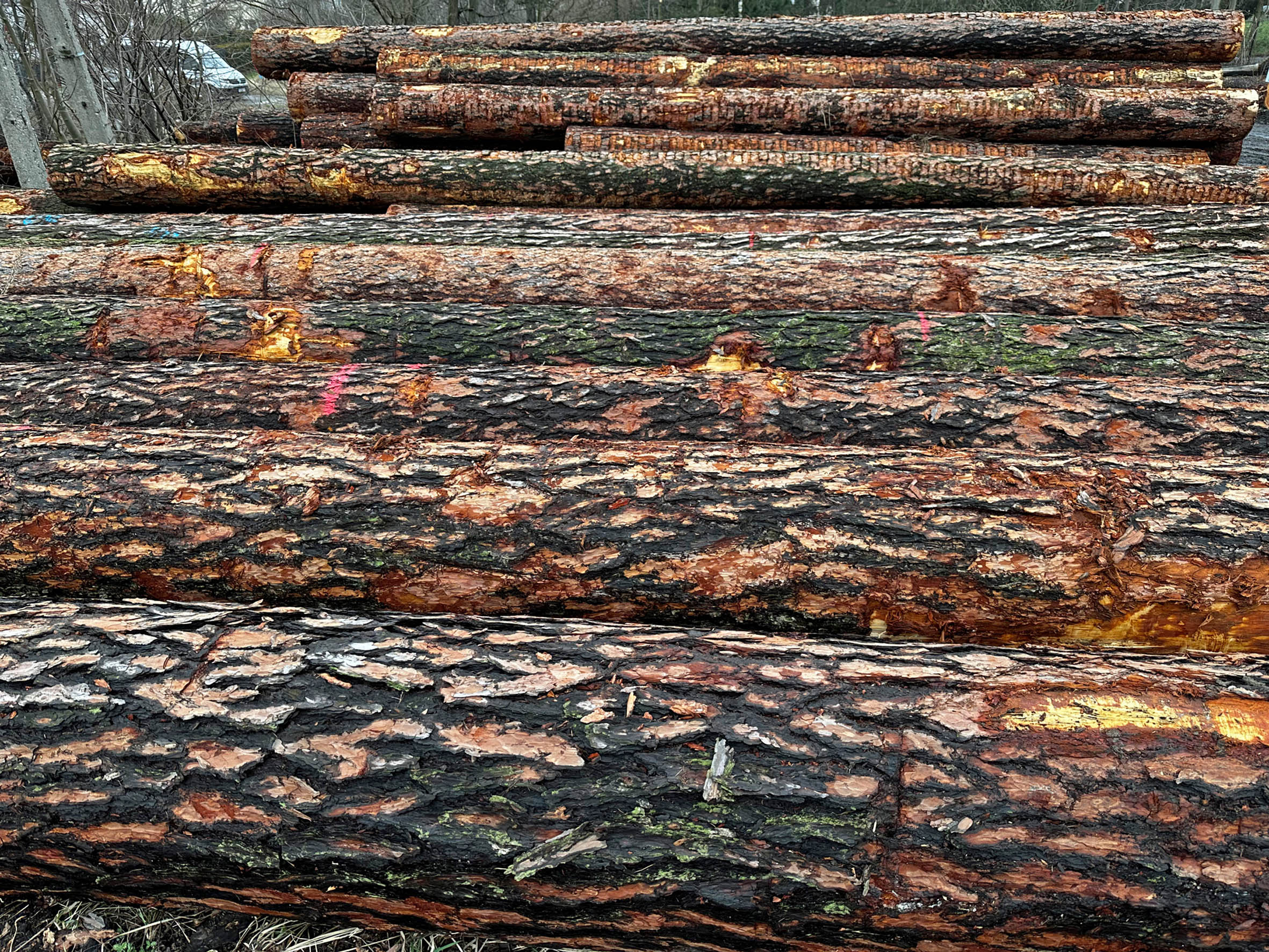
Image 1: The veneer trees await further processing. Photo: Roser AG
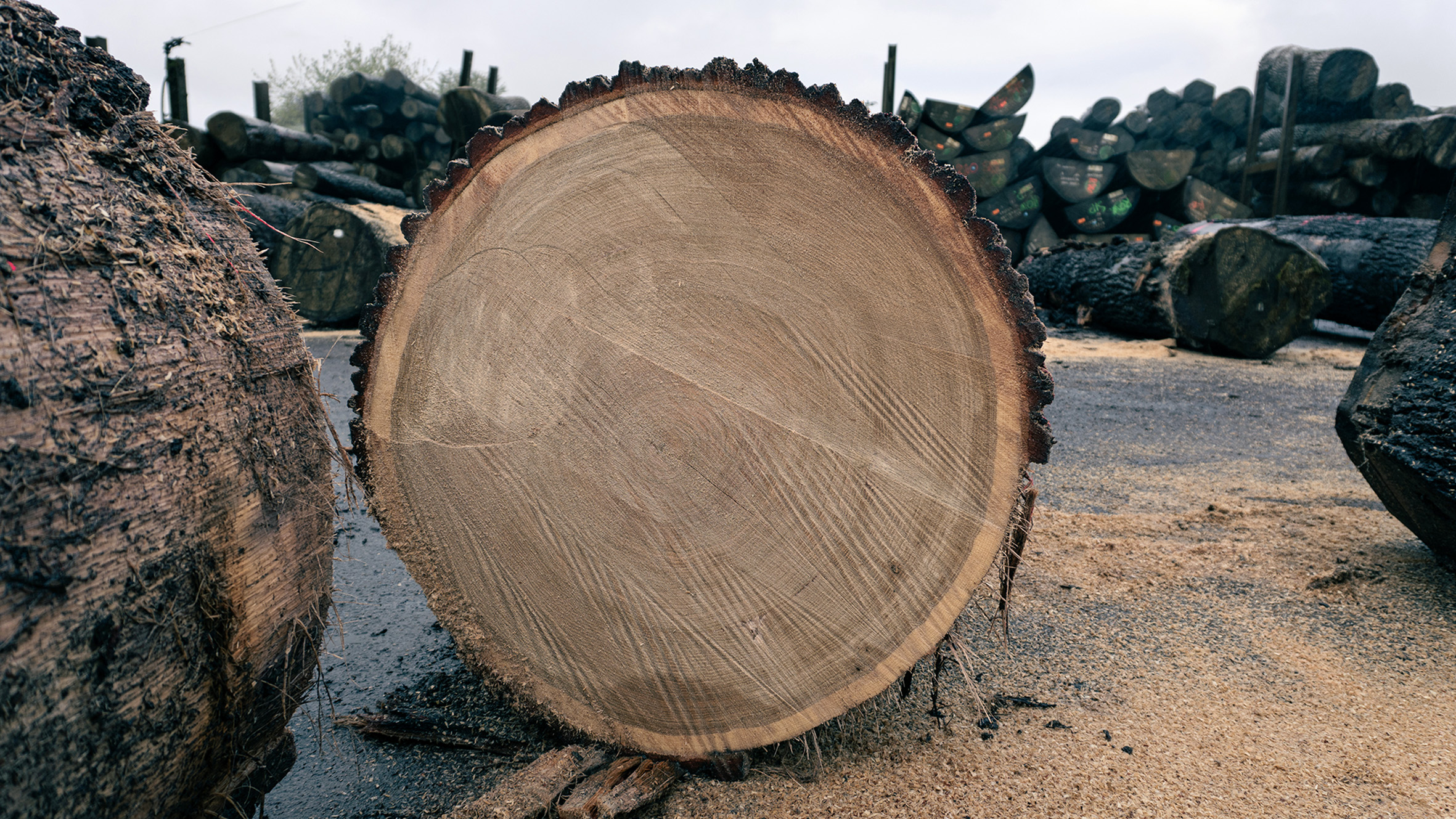
Image 2: A view of the tree selected for further processing. Photo: Roser AG
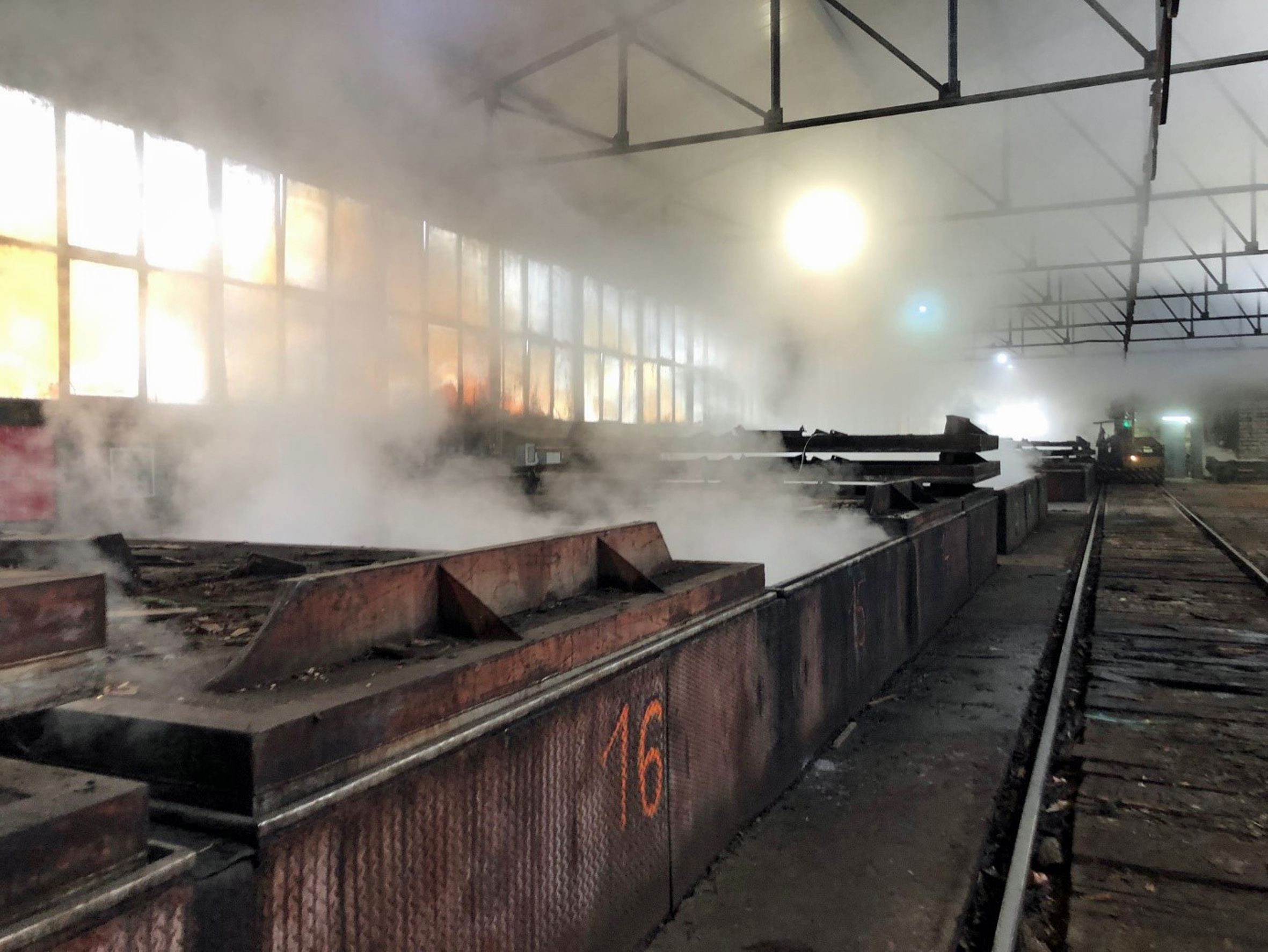
Image 3: Steaming facilitates the subsequent production steps. Photo: Roser AG
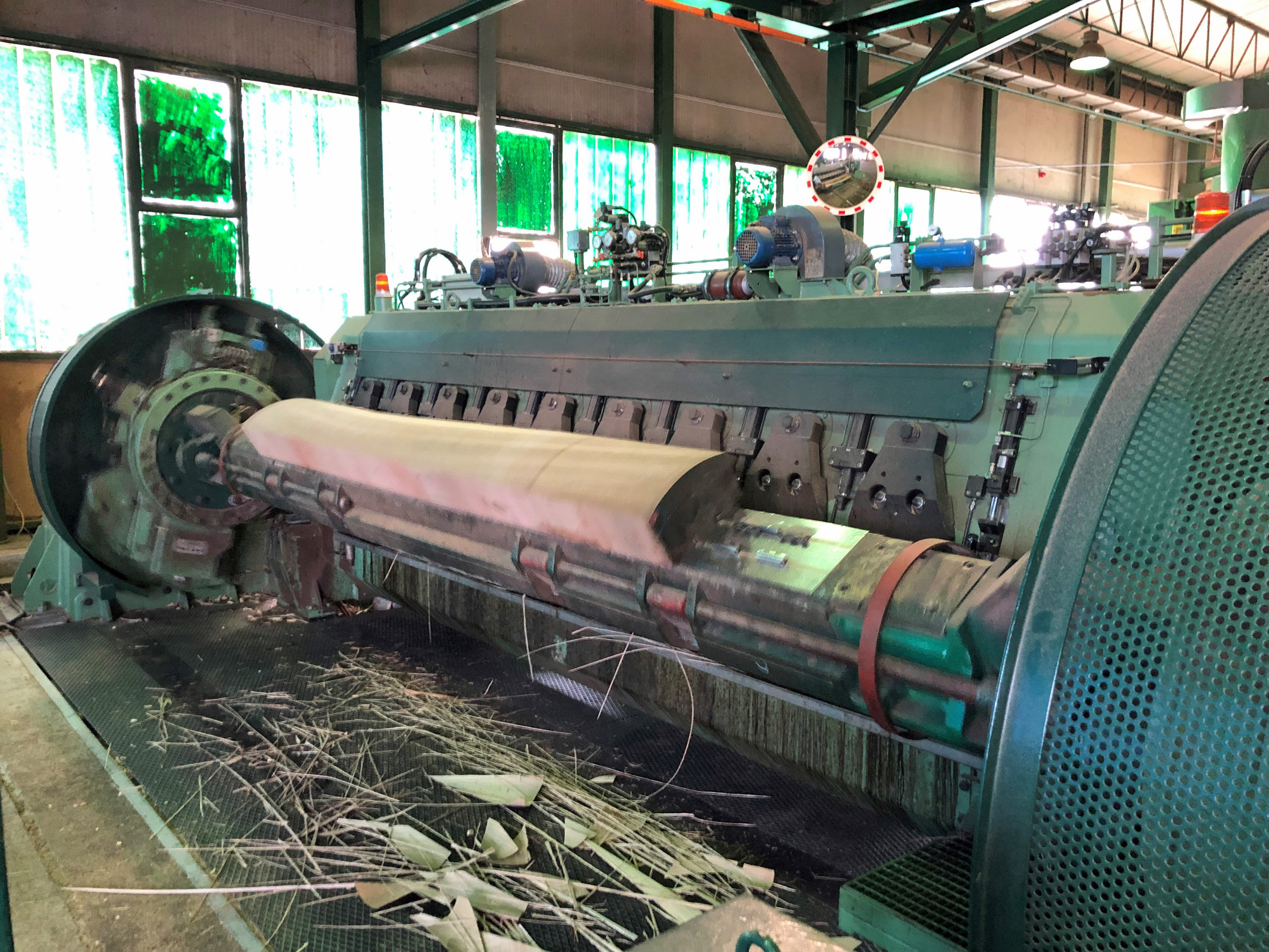
Image 4: A tree trunk is being cut by machine here. Photo: Roser AG
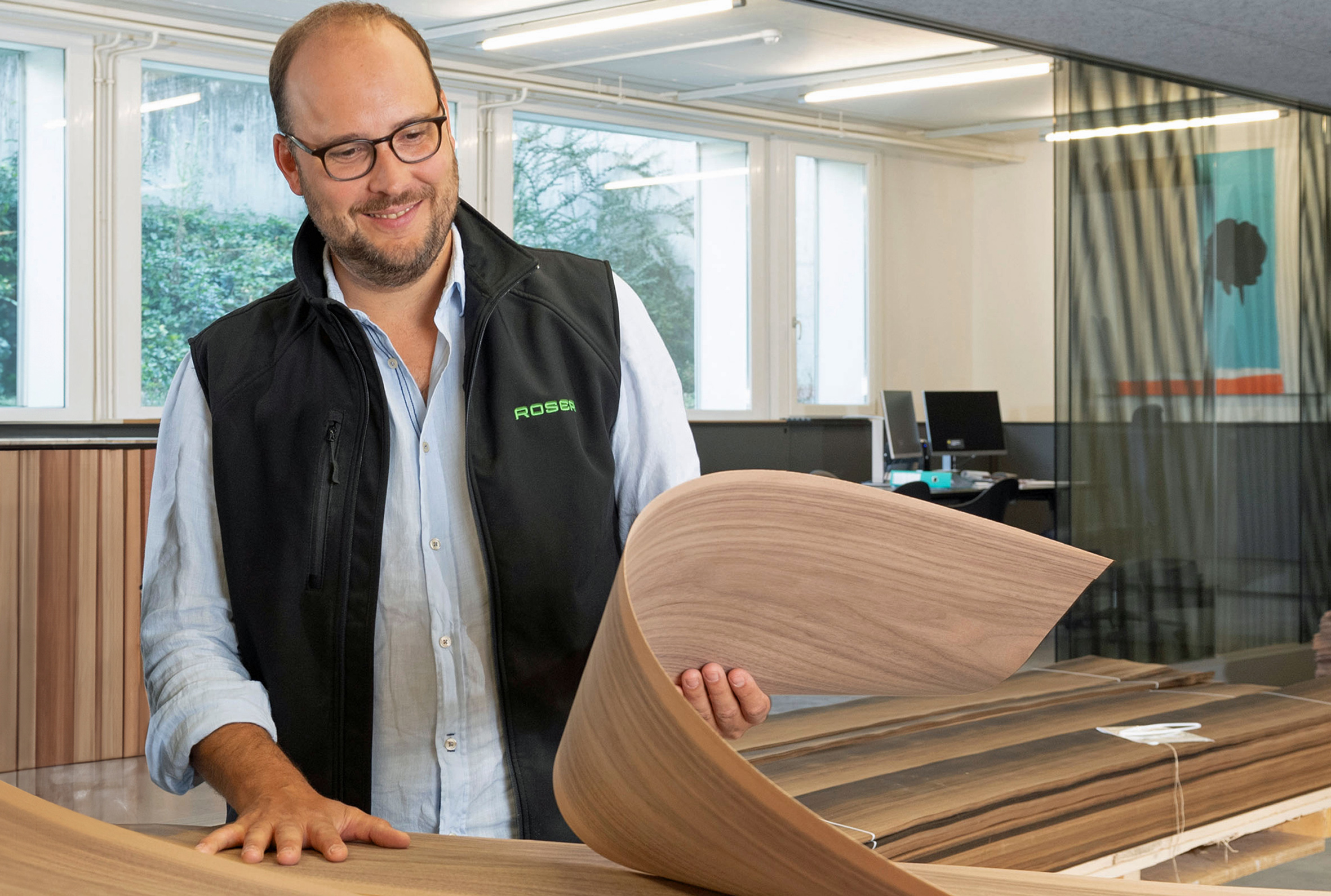
Image 5: Very important: the assessment of the finished veneer. Photo: Roser AG